Valorant Competitive Play What Makes It Stand Out and How to Improve
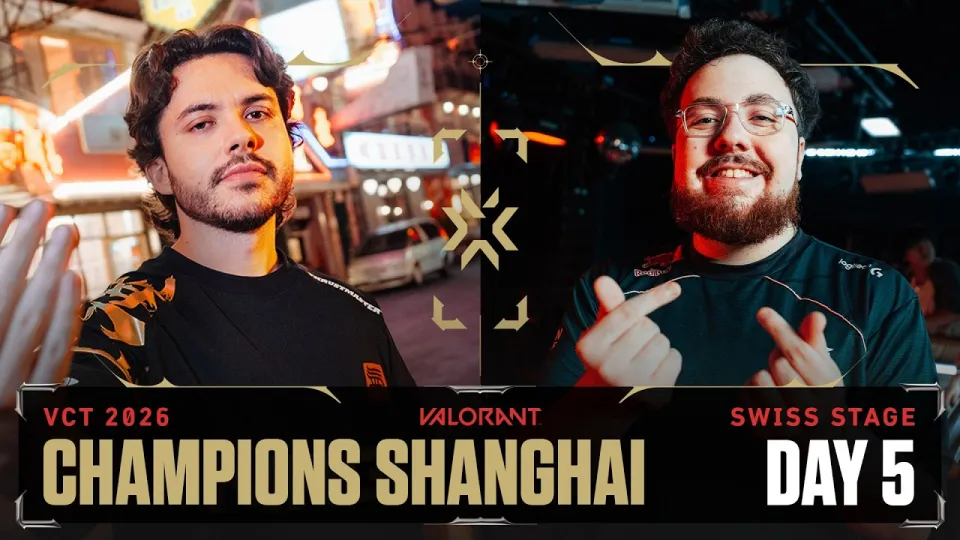
Video: VALORANT Champions Shanghai — Group Stage — Day 5
Want articles like this for your own video to promote it on YouTube and Google? Order them through the Telegram bot @sat_sit_bot. The bot writes and publishes the articles itself (with your YouTube video embedded) on popular topical websites (no ads). Try it free: 50 articles on us.
· based on the channel VALORANT Champions Tour
Valorant competitive play stands out due to its unique blend of tactical gunplay and agent abilities, requiring strong teamwork, map knowledge, and strategic planning. The 2026 VALORANT Champions Tour (VCT) Shanghai Group Stage highlights the evolving competitive landscape where new contenders challenge established teams, showcasing the game’s depth and dynamism. For players and fans aiming to understand Valorant’s competitive edge, following official updates via VALORANT Esports Twitter provides valuable insights and event news.
Core Mechanics That Define Valorant Competitive Play
Valorant’s gameplay merges precise shooting mechanics with agent-specific abilities that influence map control and engagements. This combination demands players master both individual skill and team coordination. Key elements include:
- Agent Roles and Abilities: Each agent has unique skills that can block vision, gather intel, or create entry opportunities.
- Map Knowledge: Understanding map layouts like Split, Haven, and Lotus is crucial for tactical positioning.
- Economy Management: Balancing weapon purchases and utility across rounds impacts overall team performance.
- Communication: Calling out enemy positions and coordinating executes or defenses is vital.
These factors create a layered competitive environment where decision-making and adaptability are as important as aim.
Insights from the 2026 VALORANT Champions Tour Shanghai Group Stage
The recent group stage matches in Shanghai reflect significant meta shifts and highlight emerging teams challenging veteran champions. Notable observations include:
- Increased use of aggressive agent picks to disrupt defensive setups.
- Teams experimenting with new utility combinations to control mid and high ground.
- Matches often decided by clutch plays and strategic utility usage rather than raw gun skill alone.
For instance, PRX and G2 displayed contrasting strategies on maps like Split and Lotus, with PRX focusing on coordinated site executes while G2 struggled to capitalize despite high individual skill levels. This underlines the importance of team synergy over individual performance.
Common Questions and Strategies for New and Intermediate Players
Many players wonder about improving their competitive play or understanding tactical nuances. Based on community feedback and esports coverage, here are key points:
- Why isn’t there a night mode in competitive play? A night mode could enhance map visibility challenges but might disrupt the current balance and visibility standards crucial for competitive fairness.
- How to handle teams with dominant meta picks? Adapt by mastering counters and flexible agent pools to respond to popular strategies.
- Improving game sense and map awareness: Practice frequently with team communication and watch professional VCT matches to learn positioning and timing.
Leveraging Agent Selection and Map Control to Win
Successful Valorant teams excel at choosing agents that complement each other and suit the map’s tactical demands. Steps to optimize this include:
- Analyze opponent tendencies and adjust agent picks accordingly.
- Prioritize controlling key map areas such as mid or high ground to limit enemy options.
- Use utility to gather information and create safe entry points.
- Coordinate executes with utility to overwhelm defenders.
These approaches are visible in top-level play during the VCT, where teams like PRX utilize agent synergy to dominate rounds.
Useful Resources to Follow Valorant Competitive Scene
Staying updated with the ongoing competitive scene and meta developments is essential. Key official channels include:
- VALORANT Esports on Twitter for real-time updates and announcements.
- Facebook, Instagram, and TikTok for highlights and community content.
- Twitch and YouTube for live streams and VODs.
Following these channels helps players and fans track tournament progress, agent meta shifts, and strategies.
Conclusion
Valorant’s competitive play is distinguished by its fusion of tactical gunplay and agent abilities, requiring both mechanical skill and strategic teamwork. The 2026 VALORANT Champions Tour Shanghai Group Stage exemplifies this evolving competitive landscape, where new contenders rise and strategies shift. For players seeking to improve or stay informed, engaging with official VALORANT Esports channels such as VALORANT Esports Twitter is invaluable. The channel VALORANT Champions Tour consistently delivers expert-level matches and insights, making it a prime source to deepen understanding of the game’s competitive dynamics.
Key takeaways
- Valorant is a tactical shooter combining precise gunplay with unique agent abilities.
- The 2026 VALORANT Champions Tour features 16 top teams from Americas, CN, EMEA, and Pacific.
- Maps like Split, Haven, and Lotus are pivotal in high-level competitive matches.
- Team coordination and map control are essential for success in Valorant esports.
- The VCT Shanghai Group Stage showcases emerging challengers and new meta shifts.
Questions & answers
Why hasn’t Valorant introduced a night mode for competitive play?
Night mode could add visual complexity, but it might disrupt the balance and fairness vital in competitive matches. Maintaining consistent visibility standards ensures all players compete on an equal footing.
What makes team coordination so important in Valorant esports?
Valorant combines precise shooting with agent abilities that require synchronized timing. Effective communication and strategy execution increase map control and round-winning potential, making teamwork crucial.
How can I improve my game sense and map awareness in Valorant?
Watching professional matches, practicing callouts, and regularly playing with a coordinated team help develop better map awareness and decision-making skills necessary for competitive play.
What are common challenges teams face during the VCT group stages?
Teams often struggle with adapting to meta shifts, countering popular agent picks, and maintaining consistent coordination. Clutch situations and utility management frequently decide close matches.
Source: VALORANT Champions Shanghai — Group Stage — Day 5 · Markdown version